
ATHLETIC PERFORMANCE
Sports Chiropractic
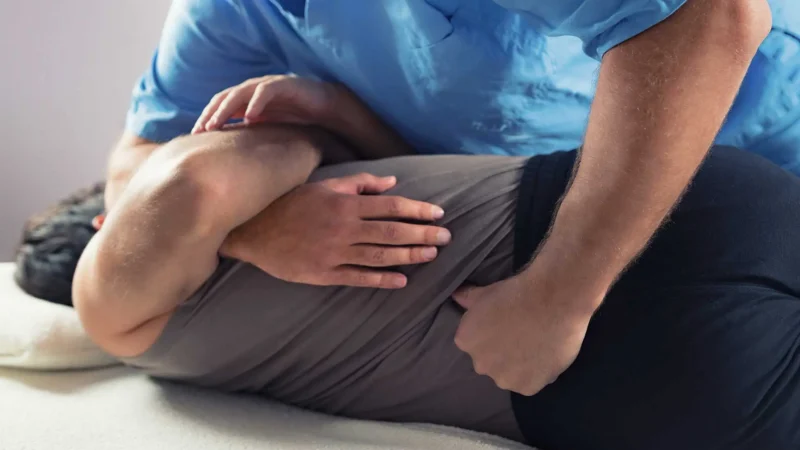
Sports chiropractic helps athletes recover faster, prevent injuries, and perform at their highest level. Whether you're a weekend warrior or competitive athlete, our structural approach optimizes biomechanics, improves range of motion, and accelerates recovery from sports-related injuries.
Athletic performance depends on your body’s ability to move efficiently and without restriction. Spinal misalignment, joint dysfunction, and muscular imbalance compromise that efficiency — reducing power output, limiting flexibility, and increasing injury risk.
Performance Optimization
Sports chiropractic at Live Well goes beyond treating injuries. We evaluate your structural alignment, joint mobility, and movement patterns to identify biomechanical issues that limit performance or create vulnerability to injury. Correcting these issues improves how your body generates and transfers force during athletic movement.
Injury Recovery
When injuries do occur, our approach targets the structural cause — not just the symptoms. Sprains, strains, overuse injuries, and impact injuries all respond well to chiropractic care that restores proper joint mechanics and supports the body’s natural healing process.
Who We Treat
We work with athletes of all levels across all sports — from youth athletes and weekend recreational players to competitive and professional athletes. Common sports we see include running, CrossFit, golf, tennis, swimming, football, soccer, basketball, and martial arts.
Our sports chiropractic care integrates seamlessly with your training program and can be coordinated with your coaches and other healthcare providers for comprehensive athletic support.
Last reviewed: February 16, 2026
BENEFITS
Why Choose Sports Chiropractic
- Improves range of motion and flexibility
- Enhances biomechanical efficiency and power output
- Accelerates recovery from sports injuries
- Reduces risk of future injuries
- Non-invasive and drug-free approach
- Complements existing training and rehab programs
CONDITIONS WE TREAT
Conditions Treated
- Sprains and strains
- Overuse injuries (tendinitis, bursitis)
- Shoulder injuries
- Knee pain and dysfunction
- Hip and groin injuries
- Ankle and foot pain
- Golfer's and tennis elbow
- Rotator cuff problems
- IT band syndrome
- Muscle imbalance and compensation patterns
FAQ
Frequently Asked Questions
Do I need to be a serious athlete to benefit from sports chiropractic?
Can chiropractic actually improve athletic performance?
How soon after an injury should I see a chiropractor?
Will sports chiropractic conflict with my physical therapy?